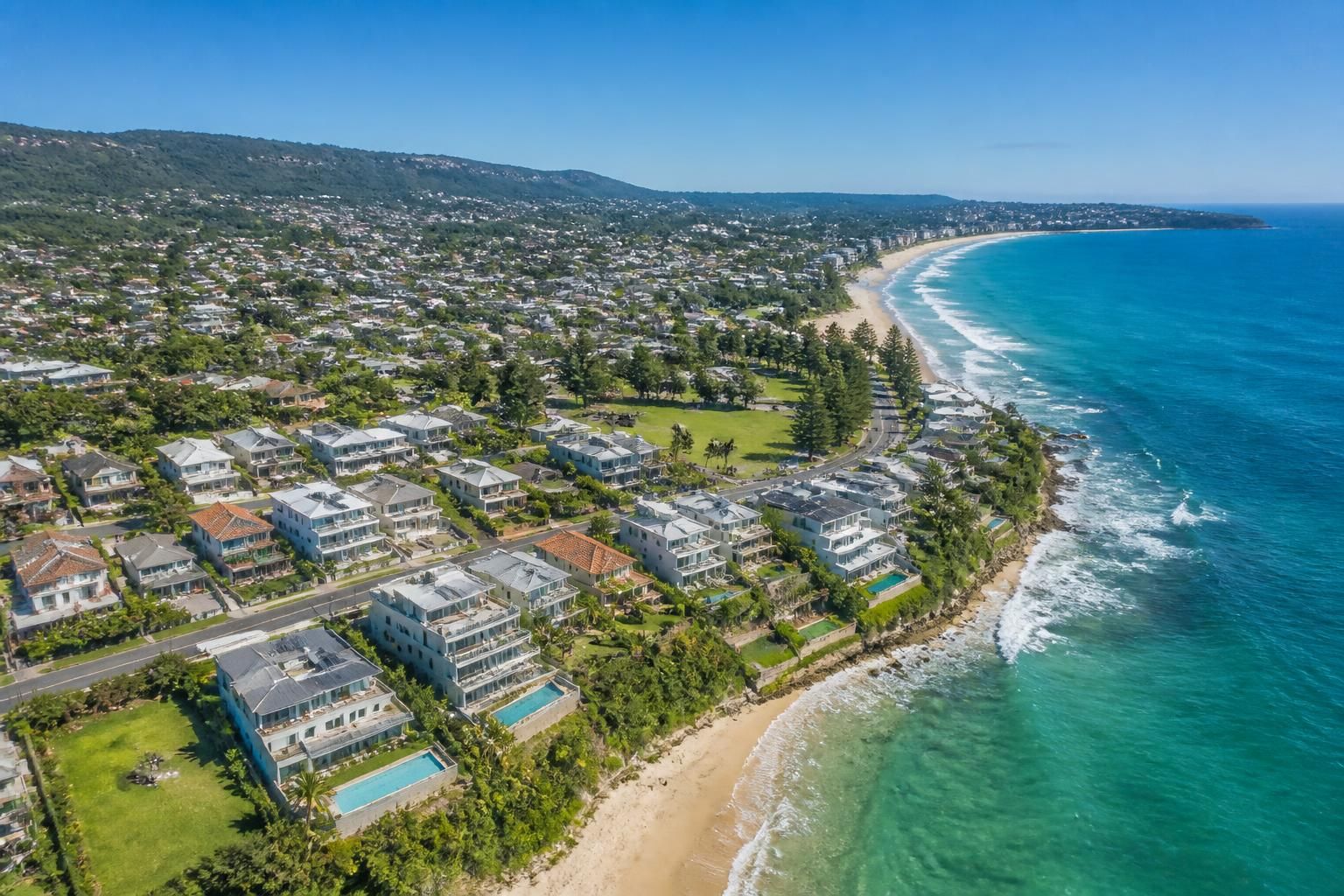
Australia’s coastal regions have long been coveted for their unparalleled natural beauty, vibrant communities, and promising investment prospects. As urban development marches forward and economic factors intertwine with environmental concerns like climate impact and sea level rise, the dynamics of coastal property values have become a complex tapestry to unravel. Understanding these real estate trends is crucial for investors, homeowners, and policymakers eager to navigate a housing market that reflects both opportunity and risk along Australia’s shores.
In this evolving landscape, the desirability of coastal property continues to drive robust demand, but it also raises pressing questions. How does proximity to the beach influence property value amid increasing awareness of climate challenges? What role does urban development play in shaping local markets, and how do economic factors modulate this influence? These questions, explored through detailed analysis and real-life examples, provide insights into the intricate dance between natural allure and practical realities in Australia’s coastal housing sector.
Case studies from hotspots where property values have soared and others where climate risks temper growth illustrate the nuanced nature of these trends. By weaving together data from property market experts and observations from recent years, it becomes clear that a balanced perspective is essential for making informed decisions in coastal property investment today.
- Scarcity and demand of coastal land continues to underpin property value increases.
- The “sea change” lifestyle trend profoundly affects buyer motivations, especially post-pandemic.
- Rental markets in coastal areas remain strong, buoying investment returns.
- Climate impact and sea level rise pose emerging risks affecting market confidence and valuations.
- Urban development initiatives influence infrastructure and long-term growth potential.
- Economic factors such as interest rates and employment rates maintain a significant role.
How Scarcity Shapes Coastal Property Value in Australia
The intrinsic rarity of coastal land is a primary driver behind the consistently high value of coastal properties in Australia. Unlike inland areas where sprawling developments and new housing estates can expand with relative ease, the coastline is finite and cannot be artificially extended. This fundamental principle of scarcity combined with steady or growing demand creates an ongoing pressure on prices.
Australia’s extensive coastline, despite being one of the longest globally, has limited residential zones suitable for development. Strict zoning laws and environmental regulations also restrict the supply further, preserving natural habitats and managing urban sprawl. These measures, while vital for sustainability, contribute to the exclusivity and therefore the premium pricing of coastal real estate.
This scarcity effect was clearly seen in recent years where certain suburbs along the east coast, including parts of Queensland and New South Wales, witnessed record-breaking sales. Properties with direct beach access or panoramic ocean views often sell for markedly higher prices than similar homes even a short distance inland.
For example, coastal suburbs in the Sunshine Coast region have continually outperformed broader market averages in terms of price growth. This trend aligns with data reported by various property market analysts showing that scarcity coupled with buyer willingness to pay for lifestyle benefits strongly fortifies property values.
Importantly, scarcity not only drives up initial purchase prices but also sustains long-term capital growth. The limitation of new supply ensures that existing properties appreciate over time, making coastal property a coveted asset in any investment portfolio. Moreover, the competitive nature of acquiring beachfront homes fosters an exclusive market segment that often commands premium real estate investment funds and private buyers.
This scarcity phenomenon also introduces a unique challenge for investors and buyers: properties in coastal zones are more susceptible to price volatility during economic cycles, as demand outstrips supply more sharply than in less constrained areas. However, the long-term outlook remains positive given the enduring appeal of coastal living in Australia.
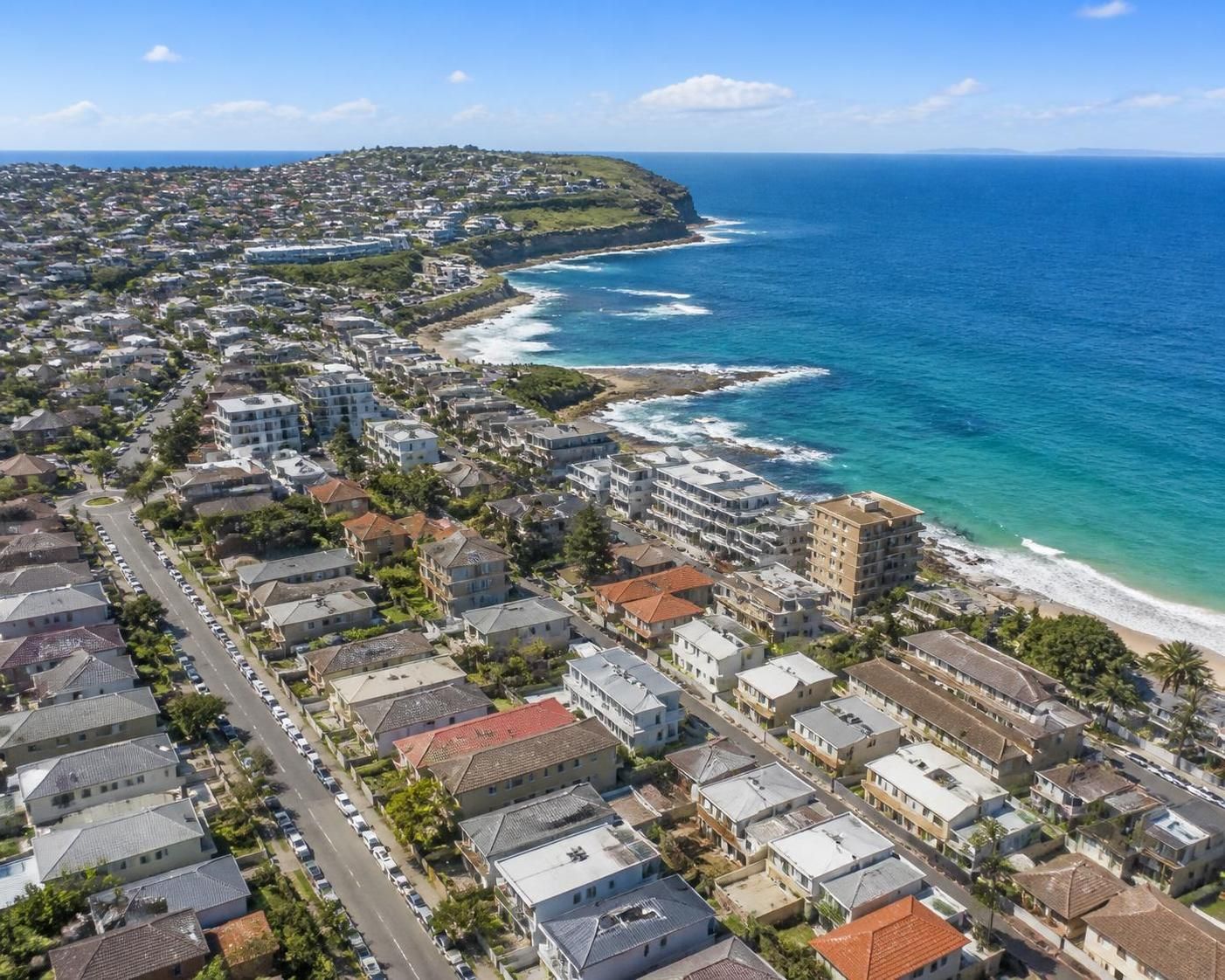
The Role of Lifestyle and the “Sea Change” Movement in Driving Coastal Property Demand
Beyond physical scarcity, lifestyle preferences strongly influence current real estate trends in Australian coastal regions. The “sea change” movement—a shift where people move from metropolitan centers to coastal or regional areas seeking a better quality of life—has gained remarkable momentum especially in the post-pandemic era. This cultural phenomenon is transforming the housing market, with increased demand for properties that offer ocean views, outdoor recreation, and a relaxed environment.
Flexible work arrangements, enabled by advances in technology, have enabled many Australians to relocate away from traditional urban hubs to coastal towns where they can enjoy both remote work and an improved lifestyle. This factor alone has ignited substantial buyer interest in previously quieter coastal communities, escalating property values in these regions.
Markets such as Ballina in New South Wales, Port Macquarie, and the Mornington Peninsula in Victoria exemplify this trend. These towns have seen influxes of new residents buying homes for retirement, lifestyle, or part-time living, driving demand and tightening the real estate market.
Moreover, the lifestyle appeal is underpinned by accessibility to recreational activities such as surfing, fishing, and coastal walking trails. Properties near these amenities attract premium prices due to the perceived intangible benefits they offer, which often translate into quantifiable property value increases.
There is also a demographic shift, where younger families and retirees alike are seeking to escape the congestion and high costs associated with inner-city life. This dynamic reshapes not only the demand but also the property types favored on the coast, with a growing preference for modern, energy-efficient homes that blend seamlessly with natural surroundings.
This lifestyle-driven demand supports a vibrant rental market, catering to tourists and new residents alike, which in turn positively influences investment returns. Coastal properties thus represent both a means to a desired lifestyle and a financial asset that benefits from evolving housing preferences.
Strong Rental Markets and Tourism as Pillars of Coastal Property Value
Investment potential in Australian coastal property is often bolstered by strong rental yields and thriving tourism, particularly in sought-after holiday destinations. High demand for short-term holiday rentals has become a defining characteristic of the coastal housing market, creating lucrative opportunities for property investors.
During peak seasons, coastal towns see a significant surge in visitor numbers, stimulating demand for quality accommodation options. This need translates into robust rental returns, often exceeding yields in inland areas. Coastal properties that can be leased as holiday homes benefit from premium rental rates, combined with consistent occupancy during holiday periods.
Key holiday hotspots such as Byron Bay, Noosa, and parts of Tasmania have demonstrated this rental strength, attracting investors seeking stable income streams alongside capital growth. Additionally, these markets have witnessed diversified demand from both domestic tourists keen to explore Australia’s natural beauty and international visitors returning as global travel resumes.
An illustration of the rental market’s influence is evident in property sales data, showing that homes located near popular beaches and tourism hubs command higher prices and attract more competitive offers. Investors, particularly those considering short-term letting platforms, factor this into valuations and acquisition strategies.
The economic impact of tourism directly supports local businesses and infrastructure development, which in turn enhances the desirability of coastal properties. This synergy between tourism and real estate underpins growth prospects and stabilizes coastal property values even in times of broader economic uncertainty.
However, investors should remain mindful of the cyclical nature of tourism and the need to manage properties professionally to maximise rental income. Additionally, evolving regulations related to short-term rentals in some localities may influence future market dynamics, requiring ongoing vigilance.
Climate Impact and Sea Level Rise: Emerging Risks for Coastal Property Markets
While the appeal of Australia’s coastal property market remains undeniable, growing awareness around climate impact, particularly sea level rise, increasingly shapes buyer behaviour and market valuations. This emerging risk factor plays a dual role, both as a caution to potential investors and a driving force behind policy-led urban planning changes.
Scientific research and government reports have highlighted vulnerable areas along the Australian coast where rising seas pose threats to residential properties through increased flooding, erosion, and storm damage. This has led to growing scrutiny of specific suburbs, with some buyers beginning to factor such risks into their purchase decisions. Consequently, properties in highly exposed locations can face downward price pressure or slower capital appreciation.
Despite these challenges, data suggests that coastal housing hotspots continue to record impressive price growth overall, as noted in recent market reports. Yet, the outlook is mixed regionally. Some areas have seen property values rebound faster than their inland counterparts after climate events, while others report a noticeable dip in prices due to heightened risk perceptions.
This contrast underscores the importance of detailed location analysis within the broader trend. For instance, suburbs with proactive climate adaptation measures, resilient infrastructure, and strong community support tend to maintain or regain property value more effectively.
Governmental urban development strategies increasingly incorporate climate resilience, influencing zoning regulations and building codes. These measures aim to safeguard long-term property investments and protect residents, yet they also contribute to shifts in market dynamics by limiting development or increasing construction costs.
Investors and buyers examining coastal properties today must therefore balance attractiveness with potential environmental risks. Engaging experts and leveraging comprehensive valuation reports that include climate impact assessments is becoming a standard best practice to ensure sustainable property investments.
Urban Development and Infrastructure: Catalysts for Coastal Property Growth
Infrastructure investment and urban development directly influence the desirability and property value of coastal areas. Regions that receive strategic public and private sector attention to transport, healthcare, education, and amenities tend to experience more robust property markets.
Successful urban development schemes improve accessibility and connectivity, making coastal towns more viable for permanent residents and remote workers alike. For example, investments in reliable public transit or upgraded road networks can transform previously isolated communities into attractive residential options, expanding buyer pools and stimulating property appreciation.
Municipalities along Australia’s coast have focused increasingly on sustainable urban development that respects environmental constraints while accommodating population growth. This includes mixed-use precincts, eco-friendly housing zones, and flood mitigation infrastructure.
A prime example is the Gold Coast, with its ongoing urban revitalization projects that blend commercial, residential, and recreational spaces, reinforcing its status as a vibrant coastal hub. These projects have helped stabilize property values by enhancing overall quality of life and economic activity.
Urban development also has a positive ripple effect on local economies, boosting employment opportunities and attracting new residents. Such economic factors contribute directly to housing demand and thus to property price growth.
Careful urban planning that integrates climate resilience and community needs is essential for ensuring sustainable property value growth along Australia’s coasts.
Economic Factors Influencing Coastal Property Market Trends
As with all real estate segments, the Australian coastal property market is influenced by broader economic factors that modulate buyer capacity and market momentum. Interest rates, employment levels, wage growth, and government policy all shape both immediate buying power and long-term market expectations.
Interest rate fluctuations in particular play a pivotal role. During periods of low rates, borrowing becomes more affordable, stimulating demand and enabling buyers to afford properties in premium coastal locations. Conversely, rate hikes can temper market activity and slow price growth.
Employment opportunities in regional coastal centers also affect property market vitality. Areas with diverse economies and growing job markets lure residents seeking not only lifestyle benefits but also financial security, thereby supporting sustained housing demand.
Government initiatives, including first-home buyer grants and tax incentives, can encourage purchase activity in coastal zones, though these effects may vary based on policy design and implementation timing.
Investors attentive to these economic indicators gain an advantage by aligning their purchase or sale decisions with broader market cycles, enhancing return on investment or mitigating risk.
| Economic Factor | Impact on Coastal Property Value | Example |
|---|---|---|
| Interest Rates | Affects borrowing capacity and market demand | Low rates boosted coastal sales in 2023 |
| Employment Levels | Supports population growth and housing demand | Gold Coast’s diversified economy fuels property growth |
| Government Policies | Incentivizes buyers and investors | First-home buyer grants stimulate coastal markets |
| Wage Growth | Enhances affordability for property purchases | Regional wage increases in parts of Tasmania |
Balancing Risks and Rewards in Coastal Property Investment Today
Investment in coastal real estate remains a compelling proposition but requires a nuanced approach that accounts for both traditional factors like scarcity and lifestyle demand, and emerging issues such as climate vulnerability and regulatory shifts.
Australian coastal property continues to offer opportunities for capital growth and rental income as highlighted by recent market insights. However, localised risks related to climate impact necessitate careful due diligence. Comprehensive valuation reports, like those available through organisations such as AMRU, enable investors to understand market trends, infrastructure developments, and environmental considerations.
Additionally, exploring rental market statistics and demographic shifts helps gauge potential returns and maintain portfolio resilience. Aligning investment strategies with current trends promotes sustainable growth and mitigates downside risks.
Ultimately, the most successful investors and homeowners are those who embrace a holistic perspective—blending data-driven analysis with an appreciation of Australia’s unique coastal lifestyle allure.
For those considering entering this market, resources like research exploring the impact of beach proximity on property value provide valuable insights that inform smarter decision-making.
Does proximity to the beach always increase property value in Australia?
Yes, coastal properties usually command a premium due to scarcity, lifestyle demand, and strong rental markets, though local climate risks can affect valuations.
How does climate impact influence coastal property investments?
Climate risks like sea level rise and flooding can affect buyer confidence and property values, making climate resilience an important factor in investment decisions.
What role does urban development play in coastal property values?
Urban development enhances infrastructure, accessibility, and amenities, which increase property desirability and value while supporting sustainable community growth.
Are rental yields generally higher in coastal areas compared to inland?
Yes, popular coastal regions often exhibit stronger seasonal rental demand and higher yields due to tourism and lifestyle desirability.
Where can I find reliable data and analysis on Australia’s property market?
Authoritative insights are available through organisations such as AMRU and detailed market updates like those on Which Real Estate Agent.