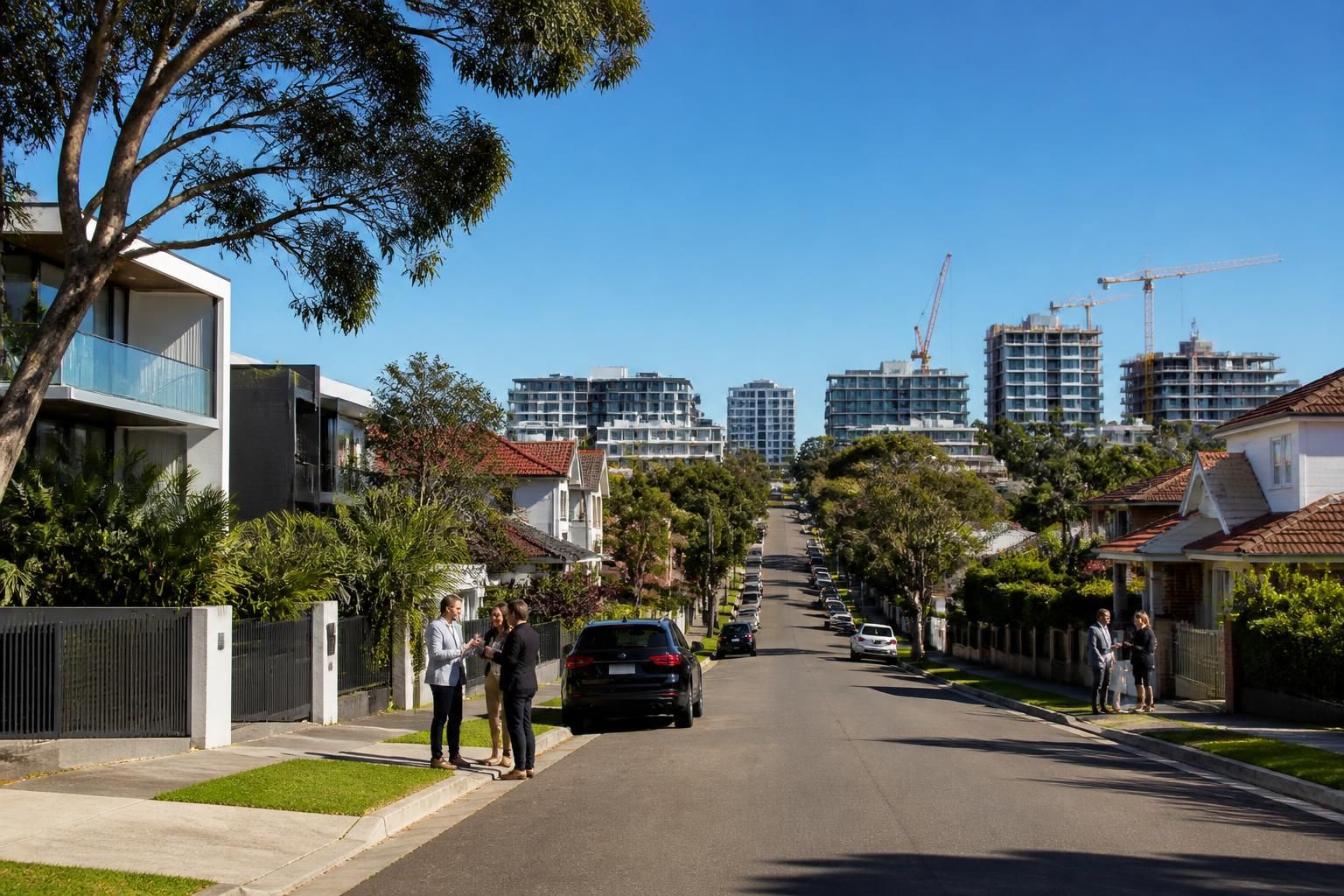
The Eastern Suburbs of Sydney continue to capture the imagination of investors, homeowners, and real estate enthusiasts in 2026. Known for its prestigious beachside locations, vibrant communities, and a lifestyle coveted by many, this region remains a key player in the broader Sydney property market. As property prices navigate through the intricate dance of economic forces, changing buyer preferences, and regulatory adjustments, understanding the price history and market trends in this area proves invaluable for making informed investment decisions and anticipating future market movements.
In brief:
- Three-bedroom house prices in Eastern Suburbs dropped 7.6% in mid-2025, showing a cooling phase but still reflecting a 5.8% growth over five years.
- Two-bedroom unit prices remained relatively stable, with a minor 0.4% dip quarterly and a slight 0.7% increase annually, underscoring consistent demand.
- Luxury and prestige property segments remain the backbone of the Eastern Suburbs market, balancing affordability challenges with high-end appeal.
- Interest rate fluctuations and cost of living pressures tempered market activity, creating nuanced opportunities for buyers and sellers alike throughout 2026.
- Suburban variances illustrate a dynamic market, demanding localized strategies and awareness to maximize investment outcomes.
Analyzing Eastern Suburbs Sydney Property Price Evolution: A Detailed History
Understanding the price history of the property market in the Eastern Suburbs reveals much about the area’s resilience and adaptability. By mid-2025, the median price for a three-bedroom house stood at $3,050,000, marking a quarterly decline of 7.6%. While this drop might initially alarm, a deeper look into the annual and five-year trends provides additional perspective.
On an annual basis, the three-bedroom house prices decreased by approximately 10.3%, signaling a short-term correction that many analysts link to a combination of rising interest rates and constrained purchasing power. However, stretching the timeline to five years unveils an average annual increase of 5.8%, highlighting steady overall growth despite economic headwinds.
Units have displayed more stability. The two-bedroom units recorded a slight quarterly price decrease of 0.4%, yet showed a marginal annual rise of 0.7%. Over five years, unit prices have appreciated by around 5.5% per annum. This contrast with house price volatility underscores the relative affordability and consistent demand for units in the area.
These shifts reflect changes in buyer demographics, affordability pressures, and evolving preferences, where some buyers prioritize lower-maintenance living spaces due to lifestyle changes or investment strategies. For instance, professionals and retirees often favor units that offer convenience without compromising access to the Eastern Suburbs’ amenities.
To delve deeper into the precise figures and recent auctions influencing these trends, the comprehensive data dashboard for Sydney Eastern Suburbs property prices is a critical resource. It provides stratified median prices that paint a clearer and more nuanced picture of the market’s trajectory.
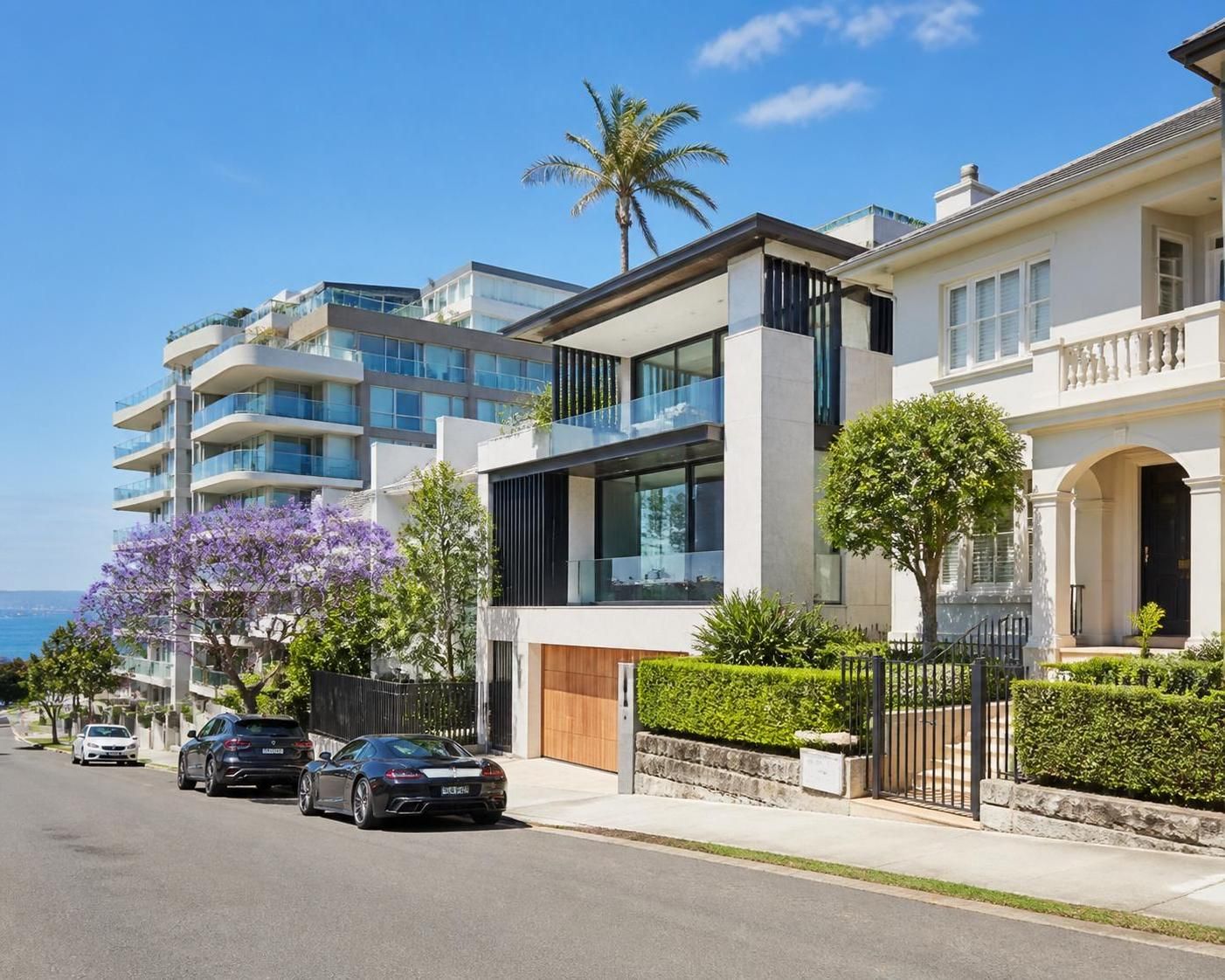
Market Trends Driving Property Price Fluctuations in Eastern Suburbs Sydney
The Eastern Suburbs’ property market in 2026 is shaped by a confluence of forces spanning economic, social, and legislative domains. Interest rate rises have been central to the recent price corrections, altering borrowing costs and buyer enthusiasm. Despite these challenges, demand remains firm, buoyed by the area’s desirability and limited supply.
Comparatively, the prestige and luxury segments of the market retain their allure, primarily driven by affluent local and international buyers attracted to suburbs like Vaucluse, Woollahra, and Double Bay. However, some parts of the luxury market have softened slightly, reflecting caution as buyers recalibrate value amidst economic uncertainty. Notably, market updates from bespoke buyers indicate a nuanced buyer sentiment, where off-market deals and strategic contract negotiations are on the rise.
Another influential trend is the diversification in buyer profiles. Younger buyers and investors show increased interest in units and townhouses, which provide better affordability and rental yield potential compared to standalone houses. This shift is supported by rental market data that highlights steady demand for two-bedroom units, especially near transport hubs and educational institutions.
Environmental and lifestyle factors also play critical roles. The Eastern Suburbs’ coastal location encourages demand for properties offering sea views, easy beach access, and proximity to green spaces. This lifestyle premium continues to underpin pricing strategies, even as broader economic factors apply downward pressure.
Furthermore, regulatory changes around lending criteria and property taxation influence investment dynamics. More stringent mortgage lending rules have made financing tougher but have also filtered the market to serious buyers with robust financial backing.
Investors eyeing the Eastern Suburbs must therefore pay attention not only to headline price movements but also to micro-market trends and segments within the region. Localized market intelligence, such as those documented in market reports like the Eastern Suburbs March 2026 market report, offers critical insights into these subtle but impactful shifts.
Investment Strategies Tailored to Eastern Suburbs Real Estate in 2026
Effective property investment in the Eastern Suburbs requires a nuanced understanding of prevailing market conditions and future outlooks. Given the cooling of three-bedroom house prices contrasted with unit market stability, investors can diversify their portfolios to mitigate risks while capitalizing on steady growth segments.
One prudent strategy is focusing on multi-unit dwellings or townhouses, which have shown relative price resilience and cater to growing renter demand. These properties often provide attractive yields and greater liquidity in the rental market, making them appealing for cash flow-focused investors.
Alternatively, luxury house investors might find opportunities in value-add initiatives or upgrading classic properties within prestige enclaves. Given the five-year appreciation trend, carefully selected renovation projects can boost capital gains as the market cycles back to growth.
Notably, personal financial planning aligned with mortgage strategy is critical. With the tighter lending environment in 2026, buyers need to prepare for higher deposit requirements and potential interest rate volatility. Engaging mortgage brokers familiar with local market intricacies—such as those highlighted in advisory pieces on mortgage and lending rules for Eastern Suburbs properties—helps optimize borrowing capacity and investment outcomes.
Moreover, identifying suburbs with emerging value potential, improved infrastructure, or upcoming developments can yield prolific long-term rewards. Areas showing relative price softness today might benefit from future gentrification or government investment, a strategy embraced by savvy investors in Sydney’s complex housing market.
Investors also need to evaluate market timing carefully. The current period, characterized by cautious sentiment, may offer bargains not seen in recent years. However, this must be balanced with accurate forecasting and risk assessment to avoid premature purchases in volatile conditions.
The Role of Suburb-Level Variations in Shaping Eastern Suburbs Market Outlook
The Eastern Suburbs are far from uniform in pricing or buyer dynamics. The market behaves in a mosaic pattern, with different suburbs experiencing divergent trends shaped by location, demographics, and amenity access.
For example, while some prestigious suburbs like Vaucluse experienced a modest price decline, neighboring areas such as Bondi and Coogee maintain more stable price trajectories. This discrepancy reflects differences in lifestyle appeal, transport links, and development potential.
Understanding these suburb-level nuances is fundamental for buyers and investors aiming to capitalize on pockets of growth or relative affordability. Detailed price breakdowns by suburb illustrate which local markets are leading prices upwards, which are stagnating, and where bargains exist.
An efficient way to access this granular data is through suburb-specific analyses found in resources such as the Sydney Property Prices by Suburb 2026 guide, which tracks median prices, growth rates, and market demand across the Eastern Suburbs.
Local community developments, school rankings, transport infrastructure projects, and changing zoning laws also contribute to shifting desirability, directly impacting property price trajectories over both short and long terms.
Buyers increasingly prioritize not only property features but also suburb lifestyle, which ranges from bustling beachside activity in Bondi to the quiet, leafy environs of Woollahra. Therefore, suburb-specific market trends form an essential component of successful real estate strategies in Eastern Sydney.
Rental Market Performance and Its Influence on Eastern Suburbs Property Values
The rental market in the Eastern Suburbs serves as a critical barometer influencing property price trends and investment viability. In 2026, consistent rental demand, particularly for two-bedroom units, continues to underpin property valuations despite broader market cooling.
Several factors sustain this rental demand. The area’s significant draw as a lifestyle hub attracts professionals, students, and families, ensuring continuous inflow of tenants. Proximity to universities, hospitals, and commercial centers further supports occupancy rates and rental yields.
Moreover, rental price growth remains modest but steady, offering reassuring income streams to investors. This has led some buyers to focus on investment-grade properties where rental returns justify premium prices or enable investors to manage mortgage commitments effectively.
The relationship between rental market health and property prices is symbiotic. Strong rents support property prices by making purchases economically viable for investors, while high property values indicate patient confidence in capital growth supported by rental income.
Challenges remain, including increasing property management costs and regulatory pressures on landlords. Yet, the evolutionary trend toward multi-family units and apartment complexes dovetails with renter preferences, favoring smaller, easier-to-maintain properties.
Understanding rental market dynamics is essential for effective portfolio management and forecasting price directions in the Eastern Suburbs. Detailed rental vacancy statistics and demand analyses can be tracked through localized real estate platforms for precise, up-to-date insights.
Impact of Economic Policies and Interest Rates on Eastern Suburbs Housing Market
Economic policies, especially those influencing interest rates and lending standards, have a pronounced impact on the Eastern Suburbs housing market. The significant tightening of interest rates in the early 2020s continues to reverberate into 2026, moderating buyer activity and softening price escalation.
Elevated borrowing costs have constrained mortgage approvals, particularly for first-home buyers, shifting the buyer mix toward more established households and investors. This change nudges prices downward in segments reliant on volume sales while luxury property sales remain buoyed by cash-rich buyers.
Government policy interventions, such as incentives for homebuyers or investment allowances, also steer market sentiment. However, given the prestige and limited land supply in the Eastern Suburbs, these policies have muted effects compared to more affordable or developing regions.
For instance, some recent policy shifts designed to enhance housing supply by relaxing planning controls have limited effect in these established suburbs due to heritage and environmental protections, which maintain scarcity and thereby preserve property values.
Buyers and investors must closely monitor monetary policy announcements and housing regulations, as these fundamentally shape market liquidity and buyer confidence. Consulting economic forecasts and market updates available through expert real estate analysts can guide effective timing and financing choices.
| Property Type | Median Price (Jun-25) | Quarterly Change | Annual Change | 5-Year CAGR |
|---|---|---|---|---|
| 3 Bedroom House | $3,050,000 | -7.6% | -10.3% | 5.8% |
| 2 Bedroom Unit | $1,350,000 | -0.4% | 0.7% | 5.5% |
The Evolving Role of Technology and Data in Navigating the Eastern Suburbs Real Estate Landscape
The digitalization of real estate processes and access to data analytics have revolutionized how stakeholders engage with the Eastern Suburbs property market. In 2026, tech-driven platforms and AI-assisted valuation tools enable more precise assessments of price history, market trends, and investment potential.
Buyers now can analyze localized price fluctuations, rental yields, and suburb characteristics online before setting foot on the market. Vendors leverage detailed buyer analytics to time listings optimally, while investors use predictive models to forecast returns and risks.
The availability of open data, such as on property price dashboards, democratizes market knowledge, reducing information asymmetry that traditionally favored agents and developers.
Additionally, virtual inspections and augmented reality presentations enhance the purchasing experience, particularly for international buyers and those considering off-market transactions common in this premium segment.
This technological evolution not only increases market transparency but also accelerates decision-making, empowering buyers and investors to respond swiftly to emerging trends and opportunities within the Eastern Suburbs.
Community, Lifestyle, and Their Influence on Eastern Suburbs Property Demand
Beyond pure economics, the unique lifestyle and community characteristics of the Eastern Suburbs play a critical role in shaping property demand and price stability. With its mix of coastal living, cultural amenities, and proximity to Sydney’s CBD, the area attracts a diverse population drawn to quality of life.
Families seeking excellent schools, professionals desiring quick city access, and retirees attracted to leisure and scenic settings collectively drive steady housing demand. Cultural festivals, dining precincts, and green spaces bolster the area’s appeal, supporting real estate values even during broader market fluctuations.
In addition, local government initiatives aimed at urban beautification, sustainability, and enhanced public transport improve suburb attractiveness, yielding positive ripple effects in property values.
The lifestyle-driven demand tends to create a more resilient market segment since buyers place a premium on intangible qualities such as community cohesion and environment, which are less susceptible to rapid changes caused by market disruptions. This dimension is essential to consider alongside financial metrics in any comprehensive property market analysis for the Eastern Suburbs.
How have Eastern Suburbs house prices changed over the past five years?
Over a five-year span leading up to mid-2025, three-bedroom houses in Sydney’s Eastern Suburbs increased in median price by approximately 5.8% per annum, despite a short-term decline in 2025.
Why have two-bedroom unit prices remained stable compared to houses?
Units are generally more affordable and appeal to a broader range of buyers including investors and younger professionals, maintaining steady demand and reducing price volatility.
What factors are influencing market trends in the Eastern Suburbs in 2026?
Interest rates, economic policies, lifestyle preferences, suburb-specific developments, and changes in lending regulations all collectively shape the market trends.
How important is suburb-level analysis for investors in Eastern Suburbs real estate?
Suburb-level analysis uncovers growth pockets and relative affordability within the region, allowing investors to tailor strategies for maximum return and risk management.
What role does the rental market play in Eastern Suburbs housing prices?
A healthy rental market supports property values by providing steady income opportunities for investors, which, in turn, sustains demand and price levels.